Introduction
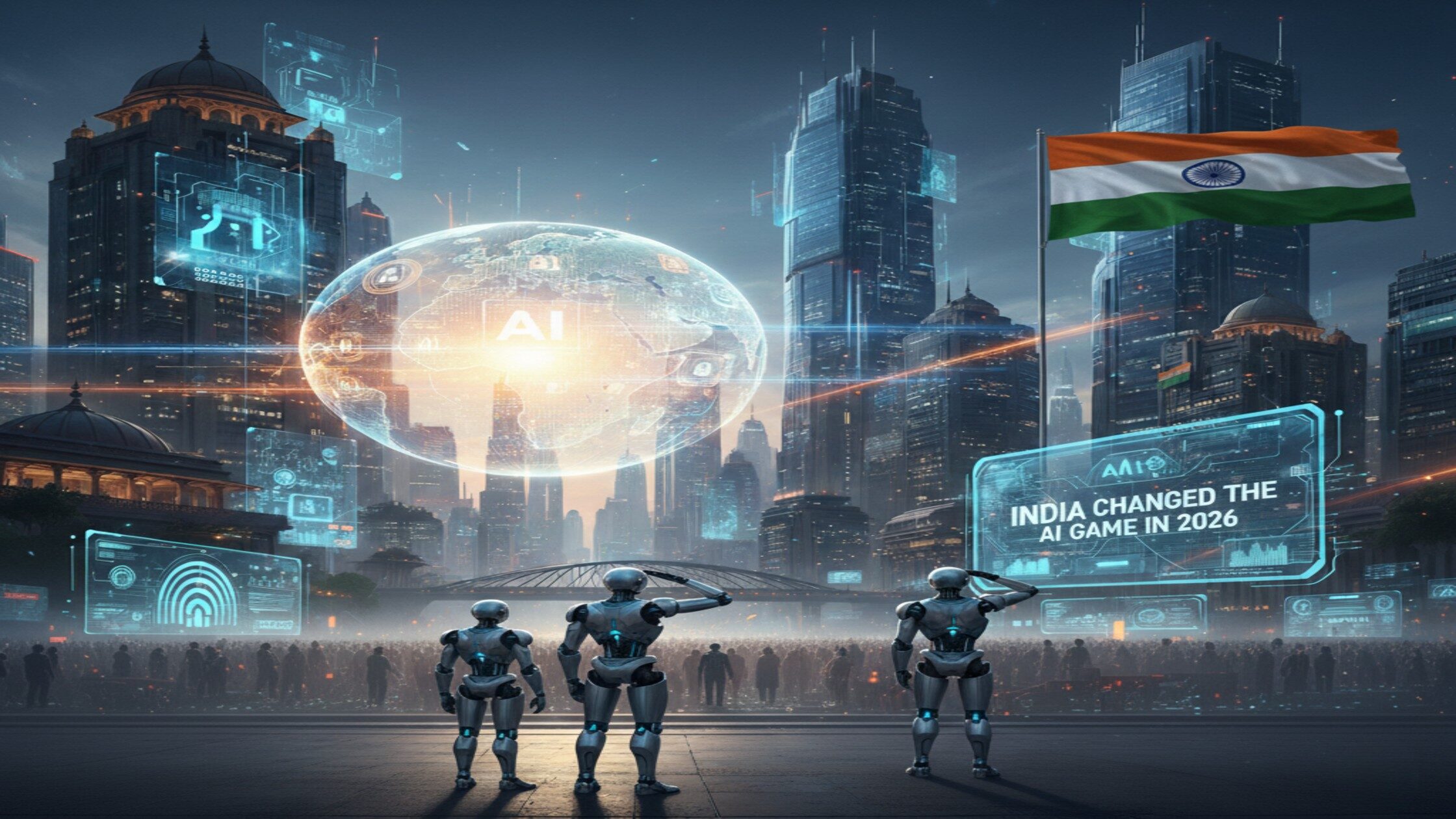
India's AI story is not about building the next ChatGPT. It is about 1.4 billion people, 22 official languages, and a government-built digital infrastructure that gives AI a ready-made deployment layer most countries spent decades trying to create.
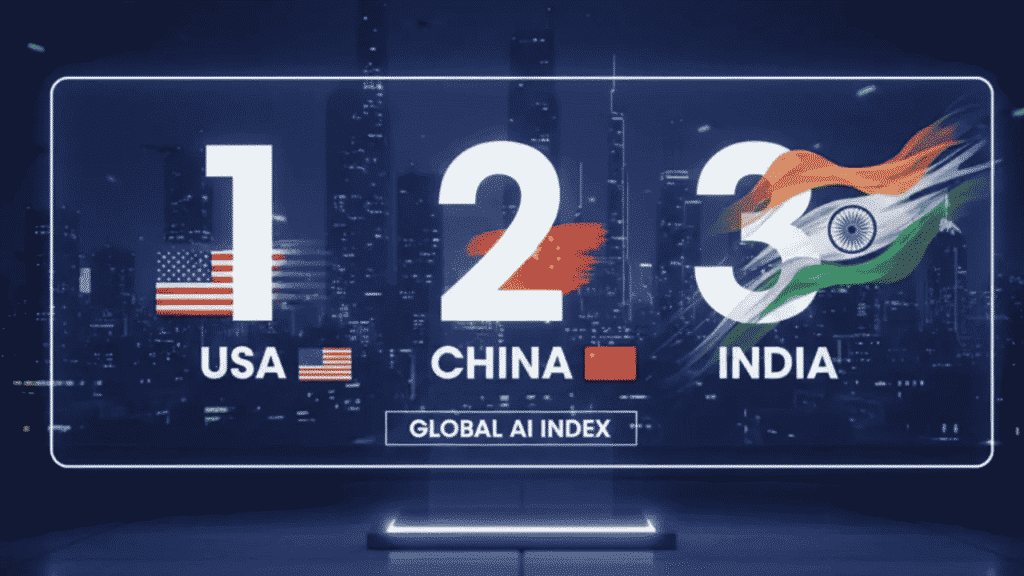
The Stanford AI Index 2025 ranks India 3rd globally in AI competitiveness. The EY-CII Report (November 2025) found 47% of Indian enterprises have multiple AI use cases live in production. The shift from experimentation to execution is already happening.
The Bet India Is Making
The IndiaAI Mission allocated ₹10,371 crore ($1.2 billion) toward a national compute platform with 38,000 GPUs and three AI Centers of Excellence: IIT Ropar for agriculture, IIT Kanpur for sustainable cities, and AIIMS + IIT Delhi for healthcare.
In February 2026, the Union Cabinet added a $1.1 billion VC fund-of-funds to back AI startups from early stage to scale. That same month, India hosted the first global AI summit ever held in the Global South, where 100 countries participated, and a Landmark Global Declaration was signed.
India is no longer attending the global AI conversation. It is hosting it.
AI That Is Actually Solving Real Problems
This is what makes India's story genuinely different because the use cases are not in boardrooms, they are in farmers' hands and hospital corridors.
IIT Ropar's agricultural AI center delivers real-time crop advisory to India's 100 million smallholder farmers via mobile - covering irrigation, pest control, and harvest timing that previously required extension officers who were rarely available. AI diagnostic tools through the AIIMS + IIT Delhi Center are extending healthcare reach into rural populations where doctor shortages are critical.
Then there is language AI, perhaps India's most globally significant contribution. With 22 official languages, India is solving a multilingual AI problem that even Big Tech has not cracked at scale. Sarvam AI, BharatGPT, and IIT Madras's AI4Bharat are building models that work for Indian language users. If they succeed, the solution becomes a blueprint for every multilingual nation in the world.
The Challenges India Cannot Ignore
Despite building 38,000 GPUs of sovereign compute, The Ken reported in 2026 that IndiaAI's infrastructure is running at just 22% capacity because most Indian startups still build on Azure, AWS, and GCP, with VC funding bundled with hyperscaler cloud credits. The sovereign infrastructure exists. The demand has not caught up yet.
NITI Aayog's 2025 Roadmap projects India could either create 4 million new AI jobs or lose 1.5 million by 2031. The difference entirely depends on the reskilling investment made now. That window will not stay open forever.
Conclusion
India's AI story in 2026 is not about potential. It is about choices being made right now - with real money, real infrastructure, and AI already serving real people.
The challenges are genuine. But what India is quietly proving is that a democratic, multilingual, resource-constrained country can build AI for its own people without waiting for Silicon Valley to do it for them. That matters for India - and for every country in the Global South watching.
If this is the kind of intelligence you want in your inbox every week, subscribe to the newsletter for the latest updates in AI.